

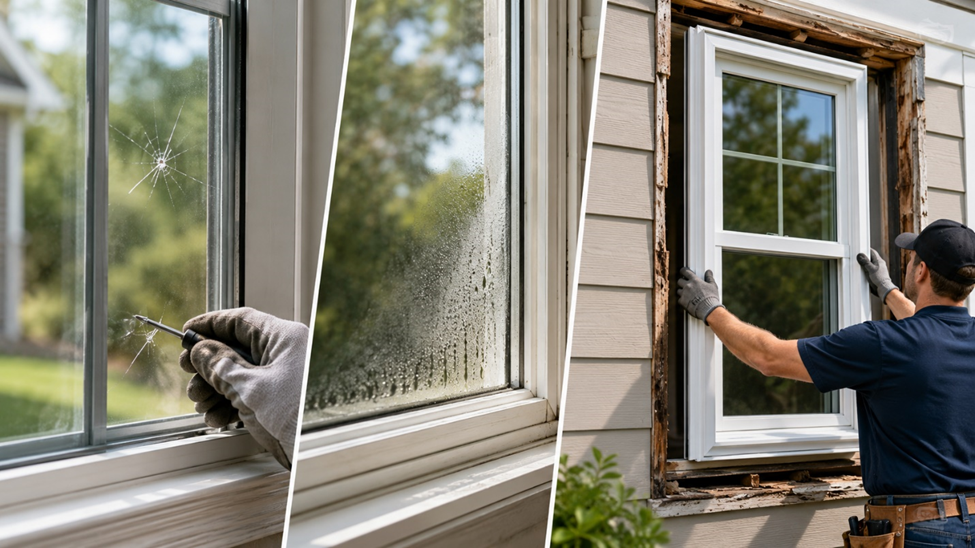

When Should You Replace a Window Instead of Repairing It?
A damaged window does not always mean you need to replace the entire unit. In some cases, a simple repair or glass replacement can restore the window without the cost and disruption of a full replacement. However, certain types of damage, ongoing performance issues, and aging components may make replacement the better long-term choice.
So, how do you know whether your window needs a repair or replacement? The answer depends on the type of damage, the condition of the frame, the window’s performance, and how often it has needed repairs. In this guide, we’ll cover the key signs that can help you decide between repairing your window and replacing it.
Repairing vs. Replacing a Window: What's the Difference?
When a window has a problem, the first question is whether the damaged component can be fixed or whether the entire window needs to be replaced. The right choice depends largely on what is damaged and the overall condition of the window.
Window repair typically involves fixing a specific problem without replacing the entire window. This may include repairing hardware, replacing weatherstripping, addressing minor operational issues, or fixing other components that are still serviceable.
Window glass replacement is another option when the glass itself is damaged but the existing frame and other components are still in good condition. For example, cracked or fogged glass may be replaceable without removing the entire window unit.
Full window replacement is generally considered when the frame is severely damaged, the window has ongoing structural or performance problems, or repairing individual components is no longer a practical long-term solution.
Before deciding, it is important to identify the source of the problem rather than automatically replacing the entire window. A professional assessment can help determine whether a repair, glass replacement, or complete window replacement makes the most sense for your home.
When Is Window Repair the Better Option?
Not every window problem requires replacement. If the window frame and glass are generally in good condition, repairing a specific component may be the more practical option. Addressing smaller problems early can also help prevent them from becoming more expensive issues later.
Minor Chips or Small Cracks
Small chips or minor damage may sometimes be repairable, depending on the location and severity of the damage. However, cracks can spread over time, so it is important to have damaged glass assessed rather than assuming it will remain stable.
If the damage cannot be safely repaired, replacing the affected glass may be a better solution than replacing the entire window.
Damaged Hardware or Locks
Problems with handles, locks, hinges, or other hardware do not necessarily mean the window itself needs to be replaced. If the frame and glass are still in good condition, repairing or replacing the faulty hardware may restore normal operation.
Minor Seal or Weatherstripping Problems
Worn weatherstripping or minor sealing issues can allow drafts or moisture around a window. In some situations, replacing the affected seal or weatherstripping can improve the window’s performance without requiring a complete replacement.
Issues That Don’t Affect the Window Frame
If the window frame remains structurally sound and the problem is limited to a replaceable component, repair or glass replacement may be the most appropriate approach.
The key is to look at the overall condition of the window, not just the visible problem. A professional can determine whether repairing one component is enough or whether the window has larger issues that make replacement a better long-term option.
7 Signs You Should Replace a Window Instead of Repairing It
Some window problems go beyond a simple repair. If the damage affects the glass, frame, insulation, or overall operation of the window, replacement may provide a more reliable long-term solution.
Here are seven signs that it may be time to consider replacing your window.
1. The Glass Is Cracked or Shattered
A cracked or shattered window is more than a cosmetic issue. Damaged glass can create a safety hazard and may allow drafts, moisture, and outdoor elements into your home.
Depending on the condition of the frame, you may not need to replace the entire window. Window glass replacement can be an option when the existing frame is still structurally sound.
However, extensive damage or a compromised frame may make full window replacement more appropriate.
2. Moisture or Fog Is Trapped Between the Panes
If you notice persistent fog, condensation, or moisture between double- or triple-pane glass, the insulating seal may have failed.
Once the seal between insulated glass panes fails, the window can lose some of its insulating performance and may continue to look cloudy even after cleaning the surfaces.
In many cases, replacing the affected glass unit can address the problem without replacing the entire frame. A professional can determine whether glass-only replacement is suitable for your window.
3. The Window Frame Is Damaged
The frame is an important structural part of a window. Cracks, severe warping, rot, or other significant damage can make a simple glass replacement ineffective.
If the frame can no longer properly support the glass or keep the window sealed, replacing the entire window may be the better option.
This is particularly important when frame damage is caused by long-term moisture exposure or deterioration.
4. The Window Is Difficult to Open or Close
A window that sticks, becomes difficult to operate, or no longer closes properly may have a hardware or alignment problem. In some cases, these issues can be repaired.
However, if the problem keeps returning or is caused by a damaged or deteriorated window structure, replacement may make more sense than repeatedly repairing the same issue.
A window that does not close properly can also affect security, weather protection, and comfort inside your home.
5. You Feel Drafts Around the Window
Noticeable drafts around a closed window can indicate worn seals, damaged weatherstripping, poor installation, or other performance problems.
While replacing weatherstripping or addressing a specific seal can sometimes solve the problem, persistent air leakage may indicate that the window is no longer performing effectively.
If an older window continues to allow drafts despite repairs, replacement may offer a more dependable solution.
6. The Window Has Repeatedly Needed Repairs
One repair does not necessarily mean you need a new window. But if the same window requires repairs again and again, the costs can eventually add up.
Frequent problems with hardware, seals, operation, or other components may indicate that the window is reaching the end of its useful life.
Instead of continuing to pay for recurring repairs, it may be worth comparing the long-term cost and benefits of replacement.
7. The Window Is Outdated or No Longer Meets Your Needs
Older windows may not provide the performance, appearance, or functionality you want from your home.
If a window is difficult to operate, poorly insulated, visibly worn, or no longer fits your home’s needs, replacement can provide an opportunity to improve both performance and appearance.
However, age alone does not automatically mean a window needs to be replaced. The condition of the glass, frame, seals, and hardware should all be considered before making a decision.
Can You Replace Just the Glass Instead of the Entire Window?
If your window glass is cracked, shattered, fogged, or otherwise damaged, you may not need to replace the entire window. In many situations, glass-only replacement can restore the window while allowing you to keep the existing frame.
What Is Glass-Only Replacement?
Glass-only replacement involves removing the damaged pane or insulated glass unit and installing new glass while keeping the existing window frame.
This can be a practical option when the frame is still structurally sound and the problem is limited to the glass itself.
When Is Replacing Only the Glass a Good Option?
Glass replacement may be appropriate when:
- The glass is cracked or broken
- Condensation is trapped between insulated glass panes
- The window seal has failed
- The frame is still in good condition
- The window operates properly
- You want to address the damage without replacing the entire unit
Replacing only the damaged glass can also help avoid the unnecessary cost and disruption of a full window replacement when the existing frame is still usable.
When Is Full Window Replacement Better?
Glass replacement may not be the best solution if the frame is severely damaged, warped, rotted, or unable to properly support and seal the new glass.
Similarly, if the window has multiple ongoing problems with its operation, insulation, or structure, replacing the entire window may provide a better long-term solution.
The best option depends on the condition of the complete window. A professional assessment can help determine whether window glass replacement is enough or whether full window replacement is more appropriate.
How Much Does Window Glass Replacement Cost?
The cost of window glass replacement can vary significantly depending on the type, size, and condition of the glass and the complexity of the installation. Because every window is different, it is difficult to give an accurate price without first assessing the window.
Several factors can influence the overall cost.
Type of Glass
Standard glass, insulated glass units, tempered glass, laminated glass, and other specialty options can have different price points. The type of glass needed will depend on the window and its intended use.
Window Size
Larger windows generally require more glass and may require additional handling during installation, which can affect the total project cost.
Single-Pane vs. Insulated Glass
Replacing a single pane is different from replacing an insulated glass unit. Double- and triple-pane windows contain multiple layers of glass and may require a replacement unit manufactured to the correct specifications.
Glass Specifications
Certain projects may require specific thicknesses, coatings, safety glass, or other specifications. These requirements can affect both material and installation costs.
Installation and Labor
The accessibility of the window, removal of the damaged glass, measurements, and installation requirements can all influence the final cost.
Glass Replacement vs. Full Window Replacement
If the existing frame is in good condition, replacing only the damaged glass may be more cost-effective than replacing the entire window. However, if the frame or other components are significantly damaged, full replacement may provide better long-term value.
Because the right solution depends on the specific window, getting a professional assessment is the best way to determine what needs to be replaced and what the project will cost.
Window Repair vs. Replacement: Which Is Right for You?
Choosing between window repair and replacement depends on the type of damage and the overall condition of the window. A minor hardware problem may only require a repair, while damaged glass can often be addressed with glass-only replacement. More serious structural problems may call for a complete window replacement.
Use the following guide as a starting point:
Window Problem | Likely Solution |
Minor hardware or lock issue | Repair |
Worn weatherstripping | Repair or replace weatherstripping |
Cracked or broken glass | Glass replacement |
Fog or condensation between panes | Glass replacement |
Severely damaged frame | Full window replacement |
Window repeatedly needs repairs | Consider replacement |
Persistent drafts | Repair or replacement, depending on the cause |
Major structural or operational problems | Full window replacement |
Keep in mind that these are general guidelines. The same type of damage can require different solutions depending on the window’s age, construction, frame condition, and installation.
If you are unsure which option is right for your window, having the problem professionally assessed can help you avoid replacing a window unnecessarily—or continuing to repair one that would be better replaced.
Why Professional Window Assessment Matters
It can be tempting to look at a cracked pane, foggy glass, or difficult-to-open window and immediately assume that the entire window needs to be replaced. In reality, the visible problem may only affect one component.
A professional assessment can help identify the actual source of the problem and determine whether window repair, glass replacement, or full window replacement is the most appropriate solution.
Identify the Actual Problem
A professional can inspect the glass, frame, seals, hardware, and overall condition of the window. This helps distinguish between a problem that can be repaired and one that requires replacement.
Choose the Right Glass
If only the glass needs to be replaced, accurate measurements and the right glass specifications are important. Using the appropriate glass for the existing window can help ensure a proper fit and reliable performance.
Avoid Unnecessary Replacement Costs
Replacing an entire window when only the glass or hardware is damaged can mean spending more than necessary. An assessment can help determine whether the existing frame and other components can remain in place.
Address Safety Concerns
Cracked or shattered glass can present safety risks. Professional handling and installation can help reduce the risk of injury and ensure the damaged glass is properly removed and replaced.
Get a Long-Term Solution
The goal should not simply be to fix the visible problem. A proper assessment considers the condition of the complete window so you can choose a solution that makes sense for your home and your long-term needs.
If you’re unsure whether your window needs repair or replacement, a professional glass company can evaluate the condition and help you determine the next step.
When to Call a Professional Glass Company
Some window problems are easy to notice, but determining the right solution is not always straightforward. If you are dealing with damaged glass, recurring window problems, or signs of structural damage, it is worth having the window evaluated by a professional.
Consider contacting a glass professional if you notice any of the following:
- Cracked or shattered glass: Damaged glass can be a safety concern and may need prompt replacement.
- Fogging or moisture between panes: This can indicate a failed seal in an insulated glass unit.
- Persistent drafts: Air coming through a closed window may indicate problems with seals, weatherstripping, or the window itself.
- A damaged or deteriorating frame: Significant frame damage may require more than a glass replacement.
- A window that will not open or close properly: Recurring operational problems may indicate a deeper issue.
- Repeated repairs: If the same window continues to develop problems, replacement may be worth considering.
- Commercial glass damage: Broken storefront, office, or other commercial glass may require professional assessment and replacement.
A professional can inspect the window and help determine whether repair, glass replacement, or full window replacement is the right choice. Getting an assessment before starting the project can also help you avoid unnecessary work and make a more informed decision.
Frequently Asked Questions
Is it cheaper to replace window glass or the entire window?
Replacing only the glass can be less costly than replacing the entire window when the existing frame and other components are still in good condition. However, the total cost depends on the type and size of the glass, installation requirements, and the condition of the window.
Can cracked window glass be repaired?
Some minor glass damage may be repairable, but not every crack can be safely or effectively repaired. If the damage is extensive or continues to spread, replacing the affected glass may be the better option. A professional can assess the damage and recommend the appropriate solution.
Can foggy window glass be replaced?
Yes. Persistent fogging or condensation between double- or triple-pane glass can indicate a failed seal. In many cases, the affected insulated glass unit can be replaced without replacing the entire window frame.
How do I know if my window seal has failed?
Common signs include condensation or fogging between the panes, visible moisture, or a noticeable decline in the window’s insulating performance. If you suspect a failed seal, a professional inspection can help confirm the problem.
How long does window glass replacement take?
The time required depends on the type, size, and specifications of the glass, as well as the accessibility of the window. A professional can provide a more accurate timeframe after inspecting and measuring the window.
Should I replace one damaged window or several at once?
If only one window is damaged and the others are performing well, replacing the affected window or glass may be sufficient. If several windows have similar age-related or performance issues, replacing multiple units may be worth considering. A professional assessment can help you compare your options.
Comments are closed